
Seasonal Foundation and Crawl Space Problems in Wichita Homes

Seasonal Foundation and Crawl Space Problems in Wichita Homes

Homes in Wichita experience a wide range of weather conditions throughout the year. From heavy spring rains to dry summer heat and freezing winter temperatures, these seasonal shifts place constant stress on foundations and crawl spaces. While many homeowners notice changes inside their homes, few realize how closely those signs are tied to the seasons.

Understanding how Wichita’s weather affects your foundation and crawl space can help you identify problems early, reduce long-term damage, and protect your home’s structural stability.

Why Seasonal Changes Matter for Wichita Foundations and Crawl Spaces

Wichita sits in a region where soil conditions and weather patterns work together to create ongoing movement beneath homes. Much of the area contains clay-rich soil, which expands when wet and contracts during dry periods. As the seasons change, this expansion and contraction cycle repeats year after year.

Foundations and crawl spaces are especially vulnerable because they sit at the intersection of soil moisture, temperature changes, and structural load. Without proper drainage, moisture control, and structural support, seasonal changes can gradually weaken these areas—even if the home appears stable on the surface.

Spring: Heavy Rains and Soil Expansion

Spring is one of the most challenging seasons for foundations and crawl spaces in Wichita. Increased rainfall saturates the soil around the home, causing clay soils to swell and press against foundation walls and footings.

Common spring-related issues include:

  • Water intrusion into crawl spaces

  • Increased humidity beneath the home

  • Soil pushing against foundation walls

  • Minor cracks forming or widening

Poor drainage or clogged gutters can make these problems worse, allowing water to pool near the foundation. Crawl spaces without vapor barriers often trap moisture during this season, creating conditions favorable for mold growth and wood deterioration.

Summer: Heat, Drought, and Soil Shrinkage

Wichita summers bring high temperatures and extended dry periods. As moisture evaporates from the soil, clay soils shrink and pull away from the foundation. This loss of support can cause settling and uneven movement beneath the home.

During summer, homeowners may notice:

  • Cracks forming in walls or brickwork

  • Doors and windows sticking or misaligning

  • Floors feeling uneven or sloping

  • Gaps developing between walls and ceilings

In crawl spaces, dry soil can still create problems by allowing supports to shift or by exposing untreated areas to pests. The cycle of wet springs followed by dry summers often accelerates foundation movement over time.

Fall: Transition Stress and Drainage Challenges

Fall brings fluctuating temperatures and intermittent rainfall, making it a transitional season that often reveals existing issues. Soil begins to reabsorb moisture, and foundations adjust once again.

Common fall-related concerns include:

  • Existing cracks becoming more visible

  • Moisture returning to crawl spaces

  • Drainage systems struggling with leaf buildup

  • Early signs of condensation under the home

Fall is often when homeowners begin to notice patterns—such as recurring cracks or seasonal floor movement—that indicate deeper structural concerns.

Winter: Freeze–Thaw Cycles and Structural Strain

Winter temperatures in Wichita can fluctuate rapidly. When moisture in the soil freezes, it expands. When it thaws, the soil contracts. This freeze–thaw cycle creates repeated pressure changes around the foundation.

Winter-related issues may include:

  • Widening cracks in foundation walls

  • Increased drafts and cold floors

  • Condensation in crawl spaces

  • Stress on support posts and beams

Homes with inadequate insulation or moisture control in crawl spaces often experience higher energy costs during winter due to cold air infiltration.

How Seasonal Problems Affect Crawl Spaces

Crawl spaces are particularly sensitive to seasonal changes because they sit directly above the soil and below the living space. Seasonal moisture and temperature shifts can lead to:

Persistent dampness or standing water

Mold and mildew growth

Deterioration of wooden joists and subflooring

Sagging or uneven floors above

Because air from the crawl space moves upward into the home, these issues can also affect indoor air quality and comfort throughout the year.

How Preventive Repairs Reduce Seasonal Damage

Addressing foundation and crawl space issues early can significantly reduce the impact of seasonal changes. Preventive solutions may include:

  • Improved exterior drainage systems

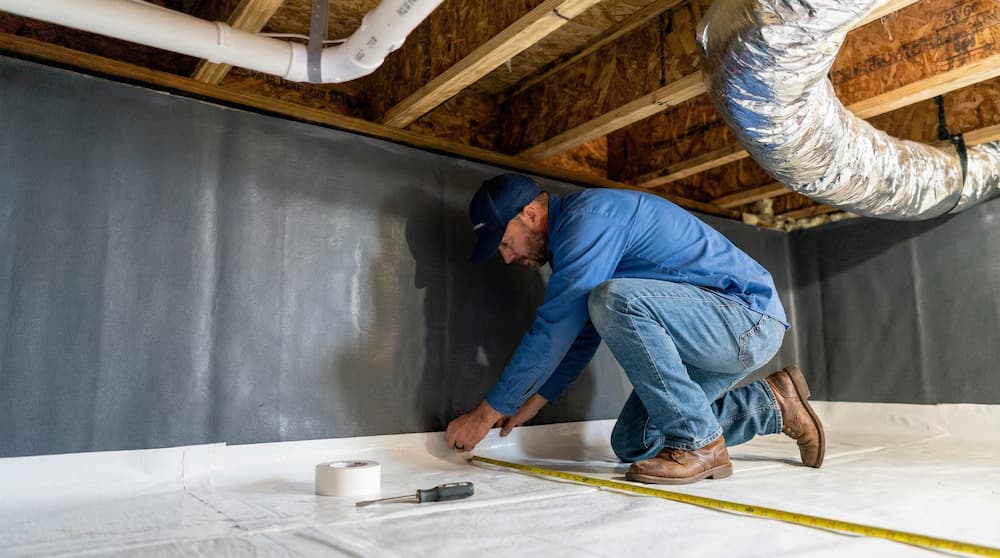
  • Crawl space vapor barriers or encapsulation

  • Structural reinforcement of supports and beams

  • Crack repair and foundation stabilization

  • Proper insulation and air sealing

These measures help create a stable environment beneath the home, reducing the effects of soil movement and moisture changes across seasons.

FREQUENTLY ASKED QUESTIONS

Are seasonal foundation cracks normal in Wichita homes?
Some minor movement can be expected, but recurring or widening cracks often indicate underlying soil or structural issues that should be evaluated.

Why do my floors feel uneven at certain times of the year?
Seasonal soil movement can affect crawl space supports, leading to temporary or permanent floor deflection.

Can seasonal moisture problems cause mold under my home?
Yes. Spring and summer humidity can create ideal conditions for mold growth in unprotected crawl spaces.

Do older Wichita homes experience more seasonal foundation issues?
Older homes often have less advanced drainage and moisture control systems, making them more vulnerable to seasonal changes.

Is there a best season to repair foundation or crawl space problems?
Repairs can be performed year-round, but addressing issues before they worsen is more important than the season itself.

When to Consult a Professional in Wichita

If you notice recurring cracks, uneven floors, persistent moisture, or musty odors that change with the seasons, it may be time for a professional evaluation. Seasonal patterns often reveal problems that are not immediately obvious but can worsen over time.

Chief Cornerstone Foundation provides thorough inspections and repair solutions designed specifically for Wichita’s soil and climate conditions. Identifying issues early allows for targeted repairs that help stabilize your home and prevent future damage.

GET YOUR FREE ESTIMATE

Give us a call at 316-365-0032 or complete this form and we’ll contact you shortly to schedule a Free Inspection, and you’ll get a no-obligation written quote during our initial visit.

Initial Consultation

A foundation repair specialist will visit your home to assess the damage, listen to your concerns, and recommend the best solution for your foundation issues.
Purpose: Identify the root cause of the problem (e.g., cracks, settling, or water damage) and discuss repair options.

Detailed Assessment and Measurement

An expert will conduct a thorough inspection, taking precise measurements of the foundation and surrounding areas to determine the extent of the damage and plan the repair.
Purpose: Gather data to create a customized repair plan, such as identifying how much the foundation has shifted or where piers need to be installed.

Ongoing Communication

The repair team will keep you updated with regular communication throughout the process, ensuring you’re informed about timelines, progress, and any adjustments needed.
Purpose: Maintain transparency so you know what to expect during the repair, such as scheduling or potential challenges like weather delays.

Foundation Repair Execution

The team will perform the necessary repairs, such as installing piers, leveling the foundation, or sealing cracks, with careful attention to your home’s structure and safety.
Purpose: Execute the repair plan efficiently, ensuring minimal disruption to your property while addressing the foundation issues.

Quality Inspection and Assurance

After the repairs are complete, a foundation repair manager will inspect the work with you to ensure the foundation is stable, level, and meets your expectations before finalizing the project.

Scroll to Top