Water in Your Wichita Crawl Space: Causes and What to Do Next
Water in a crawl space does not announce itself. There is no drip, no visible stain, no moment where you know something went wrong. Most Wichita homeowners find out when the floors start feeling soft, when the musty smell will not go away, or when a home inspector goes underneath and comes back with bad news.
Water in a crawl space does not behave like a leak you can see and patch. Ground moisture, surface water coming in through the walls, and condensation from summer air all look similar once they have been sitting there, but they come from different places and need different fixes. Treating the wrong one is how you end up doing the job twice.
Key Takeaways
- Water in a crawl space almost always comes from one of three places: the ground below, the walls around it, or humid air moving in from outside.
- Wichita's clay soil holds moisture close to the surface for longer than sandy soils, which means crawl spaces here are under more consistent pressure than in other regions.
- Standing water is urgent. Ongoing dampness without pooling is still a problem, but it just moves slower.
- Mold, wood rot, and pest activity are the most common consequences. Structural damage to floor joists follows when the problem is left unaddressed.
- Fixing the source of the water matters more than drying out what is already there. Drainage and encapsulation together are the most durable long-term solution.
Where the Water Is Actually Coming From
Most crawl space moisture problems in Wichita trace back to one of three sources, and identifying the right one determines what kind of fix actually works.
Ground moisture
The soil beneath a crawl space naturally holds water, and in Wichita that soil is predominantly clay. Clay retains moisture far longer than sand or loam, so after a rain event the ground stays saturated for days. Without a vapor barrier on the crawl space floor, that moisture evaporates upward into the space continuously. This is the most common source of crawl space humidity in this area and the one homeowners are least likely to notice right away because there is no standing water to see.
Surface water intrusion
When rainwater or runoff does not drain away from the house, it pools against the foundation wall and eventually finds its way through cracks, gaps around pipes, or the joint where the wall meets the footing. Homes with negative grading, meaning the ground slopes toward the house instead of away from it, are especially vulnerable. Wichita averages about 36 inches of rainfall per year with June as the wettest month, which means improperly graded yards get tested hard every spring.
Condensation from humid air
In warmer months, warm humid air enters through crawl space vents and meets the cooler surfaces inside: pipes, the underside of the floor, wood framing. That temperature difference causes condensation to form directly on those surfaces. Over time this is enough to saturate wood and create the damp conditions mold needs to take hold. Vented crawl spaces are particularly prone to this problem during Wichita summers.
What Happens When You Leave It Alone
A damp crawl space does not stay contained. The problems it creates move upward into the living areas of the home over time.
Mold is usually the first consequence. It grows on wood framing and insulation within days of the right moisture conditions being established, and its spores travel freely through the air into the floors above. Many Wichita homeowners who describe a persistent musty smell in their home eventually find the source is the crawl space, not a problem with the living space itself.
Wood rot follows. Floor joists and beams that stay wet long enough begin to soften and lose structural capacity. This shows up as floors that feel spongy underfoot or develop noticeable dips. At that stage the damage is no longer just a moisture problem. It is a structural one that requires replacing compromised framing, not just drying things out.
Wet wood also attracts things you do not want under your house. Termites and carpenter ants move into softened wood fast. Rodents follow because a damp crawl space is warm, sheltered, and easy to get into. By the time a homeowner notices any of this, the crawl space has usually been hospitable for a while.
How to Tell How Serious It Is
Not all crawl space moisture problems are at the same stage. The signs you can observe from inside the home give a reasonable indication of how far along the issue is before anyone goes underneath to look.
A musty smell that is stronger near the floor is usually the first thing homeowners notice, and it almost always traces back to active mold growth below. If floors flex or feel soft in certain spots, wood rot has already reached the structural framing. Regular condensation on first-floor windows during summer is a less obvious sign, but it points to high humidity coming up from below rather than from the living space.
- White mineral deposits (efflorescence) on foundation walls inside the crawl space mean water has been moving through the wall on a consistent basis
- Standing water after rain is the most urgent situation and warrants an inspection right away
If the smell is the only sign so far, the window to address this before structural damage occurs is still open. If floors are soft, the job is already bigger than moisture control alone.
What Actually Fixes It
The right solution depends on where the water is coming from. Applying a fix to the wrong source wastes time and money.
When the source is ground moisture, the fix lives on the crawl space floor. A heavy-duty liner, 20 mil minimum, sealed at the seams and run up the walls blocks evaporation from the soil before it enters the space. This is the base layer most full encapsulation systems build on.
Surface water coming through the walls is a different conversation. That fix starts outside the house, not inside the crawl space. Regrading the yard so water flows away from the foundation, extending downspouts, and adding exterior drainage channels stops the water before it reaches the wall. When exterior work alone is not enough, interior perimeter drains that route water to a sump pump can handle what gets through.
Condensation is solved by taking away the temperature difference that creates it. Sealing the vents removes the pathway for warm summer air to enter and meet cool surfaces below. A dehumidifier handles what remains. This is why crawl space encapsulation and waterproofing outperforms ventilation for condensation problems. More airflow in summer means more warm humid air, which makes things worse, not better.
What to Do Right Now If You Find Water
If you find standing water in your crawl space after a rain event, the first step is to check whether it recurs or whether it was a one-time situation tied to an unusually heavy storm. A single isolated puddle near a vent opening is different from water that returns after every rain.
While monitoring the situation, look at the gutters and downspouts. Clogged gutters that overflow directly against the foundation wall are a common entry point. Extending downspout discharge at least four to six feet away from the house is a simple step that can reduce how much water reaches the crawl space while a longer-term solution is planned.
One thing to avoid: do not run fans in the crawl space during summer to speed up drying. In Wichita's humid season, that pulls more warm moist air into the space than it removes. The same reason vents make condensation worse is the same reason fans do. If the crawl space needs to dry out, a dehumidifier designed for the space is a better tool than airflow from outside.
FREQUENTLY ASKED QUESTIONS
Is a small amount of moisture in a crawl space normal?
Some humidity is present in any crawl space, but it should not be visible as condensation, standing water, or wet soil. If the wood or insulation feels damp to the touch, the moisture level is high enough to cause problems over time.
Can I fix a wet crawl space myself?
Some contributing factors like clogged gutters or poor downspout placement are DIY-friendly. Installing a full vapor barrier or drainage system is more involved and usually benefits from professional installation to ensure seams are properly sealed and water is correctly routed.
How does water in a crawl space affect indoor air quality?
A significant portion of the air in a home's first floor comes up from the crawl space. Mold spores, humidity, and odors from a wet crawl space move freely into the living areas above. Persistent musty smells and worsening allergy symptoms are common indicators of a crawl space air quality issue.
Does homeowner's insurance cover crawl space water damage?
It depends on the cause. Sudden water damage from a burst pipe may be covered. Gradual moisture intrusion or flooding is typically not. Most policies treat water that enters through the ground or foundation as a maintenance issue rather than a covered event. Check your specific policy language.
How long does crawl space encapsulation last?
A properly installed encapsulation system with a quality vapor barrier typically lasts 15 to 25 years. The liner itself is durable, but periodic checks to ensure seams remain sealed and no new penetrations have opened are recommended every few years.
When to Consult a Professional in Wichita
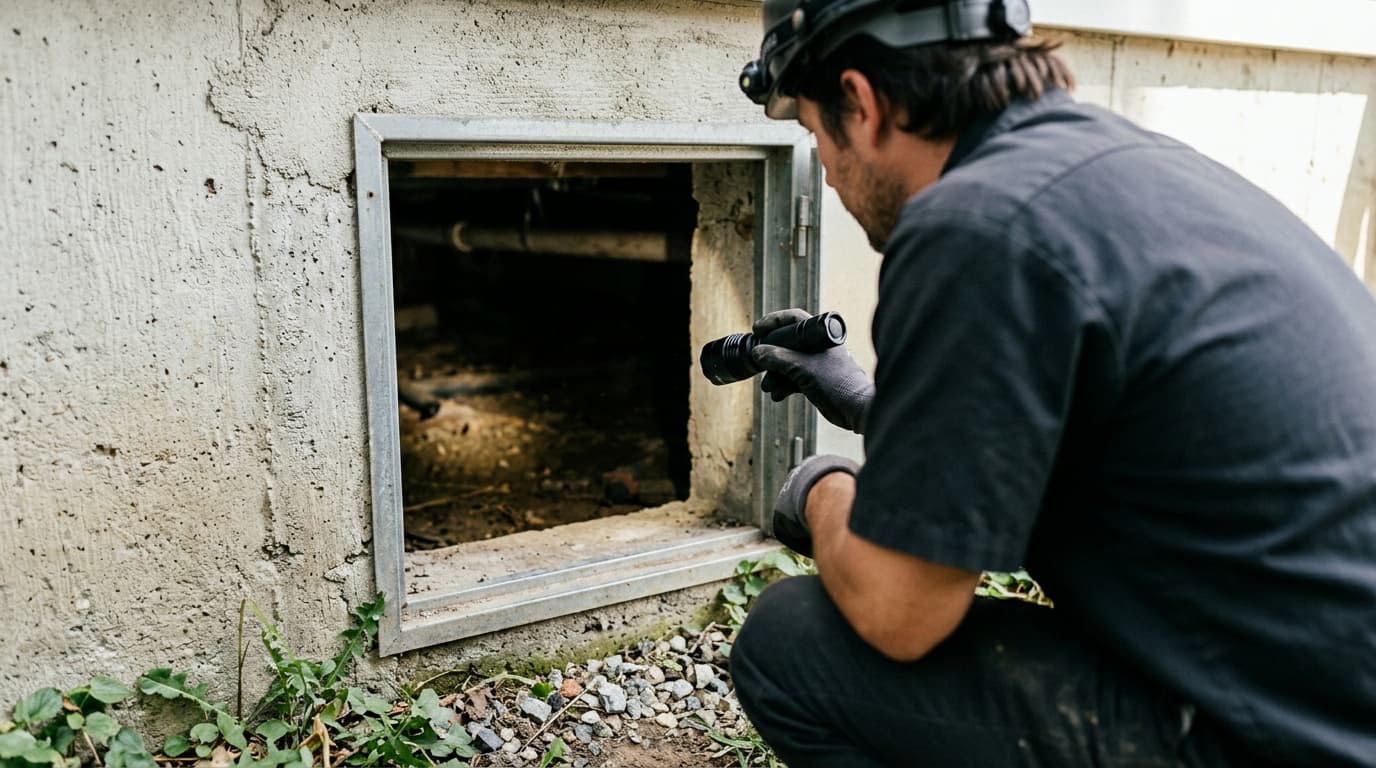
If water returns after every rain, if you can smell mold from inside the house, or if the floors above the crawl space have started to feel different underfoot, the problem has moved beyond what monitoring and minor adjustments will resolve.
Chief Cornerstone Foundation has worked under enough Wichita homes after enough wet Kansas springs to know which source is driving the problem and what it actually takes to fix it. Schedule a crawl space inspection or call us at (316) 365-0032 and get a straight answer on what is happening below your floor.
When Water Appears in Your Wichita Crawl Space, Act Before It Spreads
Crawl space water problems are easy to put off because they are invisible. But the damage they cause is not invisible to the structure, the air, or eventually the floors you walk on every day. Catching it at the moisture stage is significantly less expensive and disruptive than dealing with it at the mold or structural stage. A crawl space inspection takes less than an hour. The repairs it prevents can take weeks.