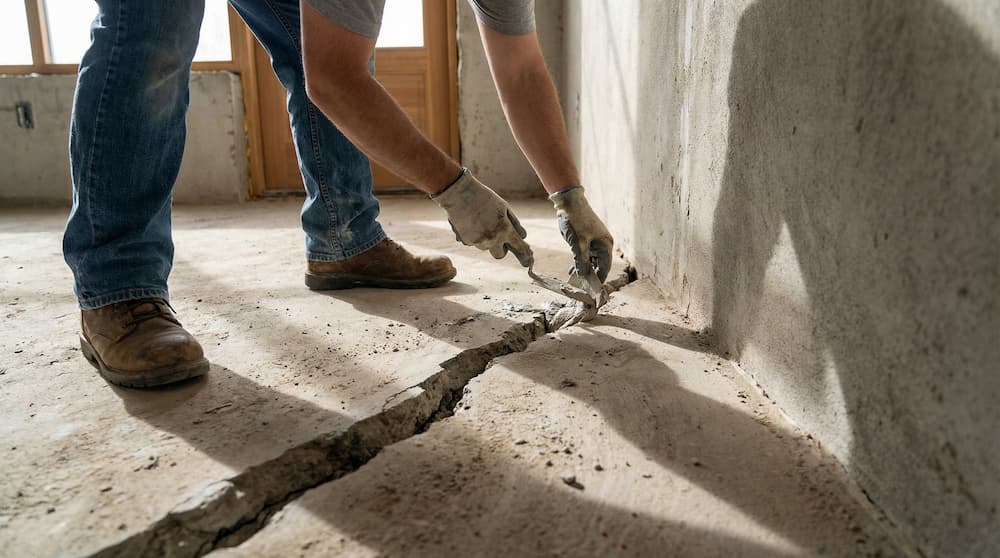

What Foundation Cracks Really Mean in Wichita Homes

Seeing a crack in your foundation can be unsettling. Many Wichita homeowners immediately worry about structural failure, while others dismiss cracks as normal settling. The truth usually falls somewhere in between.

Foundation cracks are common, but not all cracks mean the same thing. In Wichita, local soil conditions, seasonal moisture changes, and construction styles all influence why cracks appear and what they signal about your home’s stability.

Understanding what different foundation cracks mean can help you determine when to monitor a situation and when it’s time to take action.

Why Foundation Cracks Are Common

Wichita sits on soil that expands and contracts significantly with moisture changes. During wet periods, clay-heavy soils absorb water and swell. During dry spells, they shrink and pull away from the foundation.

This constant movement places stress on foundation walls and slabs over time. Even well-built homes can develop cracks as the ground beneath them shifts seasonally.

Cracks are often a symptom of environmental forces rather than construction defects, but their location, direction, and behavior matter.

Different Types of Foundation Cracks and What They Indicate

Not all foundation cracks carry the same level of concern. Recognizing the differences can help homeowners better understand what’s happening beneath their home.

Vertical Cracks

Vertical cracks often appear as the foundation settles over time. In many cases, these cracks are related to normal settling and may not pose immediate structural risk. However, changes in size or water intrusion can signal a developing issue.

Horizontal Cracks

Horizontal cracks typically indicate pressure from surrounding soil. In Wichita, saturated soil can push against foundation walls, especially after heavy rainfall. These cracks deserve prompt attention, as they may indicate structural stress.

Diagonal or Stair-Step Cracks

Diagonal or stair-step cracks in concrete block or masonry foundations often point to uneven movement. This type of cracking suggests that one section of the foundation is shifting differently than another.

Hairline vs. Widening Cracks

Hairline cracks are common and often cosmetic. Cracks that widen over time or reappear after repair may indicate ongoing movement that requires professional evaluation.

Interior Signs That Often Accompany Foundation Cracks

Foundation cracks rarely appear alone. Interior symptoms often develop as a result of underlying movement.

Common signs include:

  • Doors or windows that stick or won’t latch properly

  • Cracks in drywall near doorways or windows

  • Uneven or sloping floors

  • Gaps between walls, ceilings, or trim

When interior symptoms change seasonally, it’s often tied to soil movement beneath the foundation.

Interior Signs That Often Accompany Foundation Cracks

When Foundation Cracks Allow Moisture In

Cracks can also act as entry points for moisture. Even small cracks may allow water intrusion during heavy rain, which can lead to secondary problems like humidity buildup or material deterioration.

In Wichita, where storms can deliver heavy rainfall in short periods, water intrusion through foundation cracks can accelerate damage if left unaddressed.

Why Some Cracks Worsen Over Time

Foundation cracks that continue to grow typically indicate unresolved stress beneath the home. Contributing factors may include:

  • Poor drainage directing water toward the foundation

  • Repeated wet-dry soil cycles

  • Uneven soil support beneath the structure

  • Changes in landscaping or grading

Addressing surface symptoms without correcting underlying causes often leads to recurring cracks.

FREQUENTLY ASKED QUESTIONS

Are foundation cracks normal in Wichita homes?
Yes. Due to soil conditions and seasonal moisture changes, many Wichita homes develop some degree of foundation cracking over time.

Do all cracks mean structural damage?
No. Many cracks are cosmetic or related to minor settling. The pattern and behavior of the crack matter more than its presence alone.

Should cracks be sealed immediately?
Sealing can help prevent moisture intrusion, but it’s important to understand why the crack formed before making repairs.

Can foundation cracks affect home value?
Visible or worsening cracks can raise concerns during inspections, especially if there’s no documentation showing they were properly evaluated or repaired.

Do cracks always get worse?
Not always. Some cracks remain stable for years, while others expand due to ongoing soil movement or water issues.

When to Consult a Professional in Wichita

If foundation cracks change in size, appear suddenly, or coincide with interior issues like sticking doors or uneven floors, a professional evaluation is recommended.

A qualified foundation specialist can determine whether cracks are cosmetic, moisture-related, or structural—and recommend appropriate solutions based on Wichita’s soil and climate conditions.

Chief Cornerstone Foundation evaluates foundation cracks with an understanding of local soil behavior, drainage patterns, and long-term structural stability.

GET YOUR FREE ESTIMATE

Give us a call at 316-365-0032 or complete this form and we’ll contact you shortly to schedule a Free Inspection, and you’ll get a no-obligation written quote during our initial visit.

Initial Consultation

A foundation repair specialist will visit your home to assess the damage, listen to your concerns, and recommend the best solution for your foundation issues.
Purpose: Identify the root cause of the problem (e.g., cracks, settling, or water damage) and discuss repair options.

Detailed Assessment and Measurement

An expert will conduct a thorough inspection, taking precise measurements of the foundation and surrounding areas to determine the extent of the damage and plan the repair.
Purpose: Gather data to create a customized repair plan, such as identifying how much the foundation has shifted or where piers need to be installed.

Ongoing Communication

The repair team will keep you updated with regular communication throughout the process, ensuring you’re informed about timelines, progress, and any adjustments needed.
Purpose: Maintain transparency so you know what to expect during the repair, such as scheduling or potential challenges like weather delays.

Foundation Repair Execution

The team will perform the necessary repairs, such as installing piers, leveling the foundation, or sealing cracks, with careful attention to your home’s structure and safety.
Purpose: Execute the repair plan efficiently, ensuring minimal disruption to your property while addressing the foundation issues.

Quality Inspection and Assurance

After the repairs are complete, a foundation repair manager will inspect the work with you to ensure the foundation is stable, level, and meets your expectations before finalizing the project.

Scroll to Top