How Long Does Foundation Repair Take in Wichita?
The most common answer is one to three days, but that range covers a lot of ground. A single pier installation on a slab home can be done in a day. A full pier system on a large home with drainage work included can take four or five. What actually determines the timeline is the type of repair, the size of the home, how many piers are needed, and whether drainage or crawl space work is part of the scope. This article breaks down what to expect for each repair type so you can plan accordingly.
Key Takeaways
- Most pier installations in Wichita take one to two days. Larger jobs with more piers or added drainage work run two to four days.
- Crawl space repairs like encapsulation or joist work are typically done in one to two days and do not affect the living space above.
- Drainage installation timelines vary the most, from a half-day downspout extension to several days for a full French drain system around the perimeter.
- Weather matters in Wichita. Heavy clay soil that is saturated after spring rain is harder to excavate and drive piers through, which can add time.
- The inspection is what gives you an accurate timeline. Any estimate before someone has looked at the foundation is a guess.
- You can stay in the house for most repairs. The work happens outside or below the floor, not inside your living space.
Pier Installation: The Most Common Wichita Foundation Repair
Steel pier installation is the standard repair for foundation settlement in Wichita, and it is also the most time-variable job. Each pier requires excavating an access point along the foundation perimeter, driving the pier sections down through the clay to stable soil, and connecting the pier bracket to the foundation. How long that takes per pier depends on the depth required and the condition of the soil.
In Wichita, piers typically need to reach 20 to 25 feet to get below the active clay layer that drives seasonal movement. Kansas expansive clay soils develop cracks more than an inch wide during dry periods, which means the zone that moves with moisture extends deep. A crew can typically install four to six piers per day under normal conditions.
A small job with four to six piers on one side of the house takes one day. A larger job covering multiple sides of the foundation with ten or more piers typically runs two to three days. If the decision is made to attempt a lift, restoring settled sections back toward level, the process takes more time because each pier is adjusted carefully to avoid stressing the structure above.
Crawl Space Repairs: Usually Done in a Day
Crawl space encapsulation, vapor barrier installation, and joist or beam repairs are among the least disruptive foundation-related jobs a Wichita homeowner will deal with. The crew works below the floor. You stay in the house. The living space above is not affected.
A standard vapor barrier installation in a typical Wichita crawl space takes one day. Full encapsulation, which includes sealing the walls, venting the space, and installing a dehumidifier, runs one to two days depending on the size of the space and its condition. If joist or beam replacement is part of the work because moisture damage has compromised the framing, add another day or two depending on how many sections need to be addressed.
When crawl space work is done alongside pier installation, the two jobs are typically sequenced: piers first, then crawl space. The order matters because pier installation can disturb the crawl space access and surrounding soil, and the moisture control work is more effective once the structural movement has been stopped.
Drainage Work: The Most Variable Timeline
Drainage corrections range from a half-day downspout extension to a multi-day French drain installation around the full foundation perimeter. The difference between those two jobs is real, and the right scope depends on where water is collecting and how much of the lot needs to be re-graded or trenched.
A French drain along one side of the foundation typically takes one day. A full perimeter system on a standard Wichita lot runs two to three days. Re-grading work adds time if the lot has sections where the slope directs water toward the house rather than away from it.
In Wichita's clay-heavy soil, drainage work is more involved than it is in sandier regions because the trench walls require more careful management and the outlet design matters more. A drain that does not discharge correctly just moves the water problem to a different spot on the lot. Getting that right takes more planning and sometimes more time than homeowners expect going in.
What Can Make a Repair Take Longer in Wichita
Soil conditions are the biggest variable in Wichita specifically. May is the wettest month of the year in Wichita, averaging 6 inches of rain and a relative humidity of 72 percent. Saturated clay after a heavy spring rain is much harder to excavate and drive piers through than dry clay in late summer. Crews working in June after a wet May are dealing with a different material than the same crews working in September. If timing is flexible, scheduling foundation work later in the dry season can reduce the timeline and sometimes the cost.
Older homes with landscaping close to the foundation add time because more care is needed around established roots and hardscaping. Homes where the damage has progressed to the point where a lift is being attempted take longer than stabilization-only jobs. And any repair where the scope expands during the work, because something unexpected is found once excavation begins, will run longer than the original estimate.
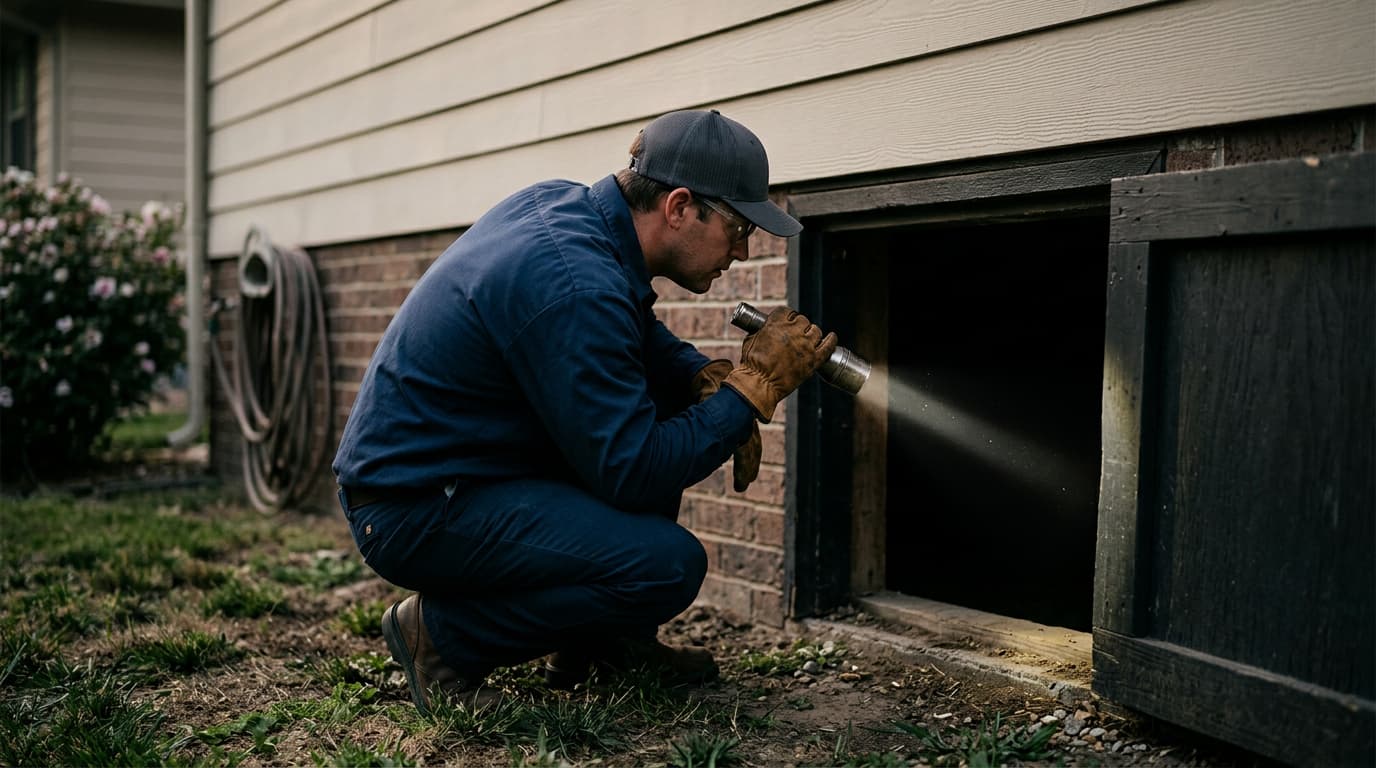
The best way to get an accurate timeline is a thorough inspection before the work begins. A contractor who gives you a firm timeline before looking at the foundation is guessing. One who gives you a range after a proper assessment is giving you something you can actually plan around. That is why scheduling a foundation inspection is always the first step.
FREQUENTLY ASKED QUESTIONS
Can I stay in my house during foundation repair?
For most pier and crawl space repairs, yes. The crew works outside or below the floor. Noise and activity near the foundation are the main disruptions. If you work from home or have young children, it is worth asking your contractor specifically what the day will look like so you can plan around the noisiest parts of the work.
What time of year is best for foundation repair in Wichita?
Late summer and fall are generally the best windows. The soil is drier and easier to work with, piers drive more efficiently, and the disruption to landscaping is less noticeable heading into the dormant season. Spring repairs are possible and sometimes urgent, but saturated clay after a wet May makes excavation harder and can add time to the job.
Does foundation repair disrupt my landscaping?
Yes, along the foundation perimeter where excavation happens. Plants, mulch, and edging in the work zone are typically removed and replaced as part of the job. Established shrubs close to the foundation require more careful handling and may not survive if roots run directly through the work area. It is worth pointing out anything you want preserved before work begins.
How soon after repair can I use the areas near the foundation?
The backfilled excavation areas are typically walkable the same day the work is completed. Driving on them or placing heavy objects near the fresh fill should wait a few days to allow settlement. The foundation itself is immediately functional after the repair.
How long does the inspection take before work can be scheduled?
A thorough foundation inspection takes one to two hours. The repair plan and estimate follow from that. Most companies can schedule the actual repair within a few weeks of the inspection, though timing varies by season. Spring and early summer are the busiest periods in Wichita because that is when foundation symptoms are most visible after wet weather.
Ready to Find Out What Your Repair Involves?
The only way to get an accurate timeline for your specific situation is an inspection. Everything before that is a range. The inspection takes about an hour, and the repair plan that comes from it tells you what the job actually involves, how long it will take, and what the yard and house will look like when it is done.
Chief Cornerstone Foundation has worked through enough Wichita seasons to know how the clay, the rainfall, and the timing of a repair all affect how a job runs. Schedule your free inspection or call us at (316) 365-0032 and we will give you a straight answer on what your repair looks like.
Most Wichita Foundation Repairs Are Done in a Few Days. The Problem They Fix Took Years to Develop.
The actual repair work is usually faster than homeowners expect. What takes time is the season-by-season movement of clay soil, the slow saturation of wood framing, the slow widening of a crack that nobody measured. By the time the repair crew shows up, the problem has been building for a while. Getting it done in two or three days is the easy part. The harder part was waiting long enough for it to become undeniable. Every season you schedule the inspection is a season the problem does not get to work on the foundation.