Interior vs. Exterior Foundation Waterproofing in Wichita: Which One Do You Need?
When water starts showing up in a Wichita basement or crawl space, the first question is usually how to stop it. The second, once a contractor gets involved, is often why they are recommending one approach over another. Interior waterproofing and exterior waterproofing solve the same problem but from opposite directions, and the right choice depends on where the water is coming from, how the home is built, and what the budget and disruption tolerance of the homeowner allow for.
In Wichita specifically, the choice is shaped by the local soil and climate. The heavy clay that surrounds most foundations here holds moisture for weeks after a spring rain and pushes it against foundation walls with consistent pressure. Understanding how each waterproofing method addresses that pressure, and when each one is the right tool for the job, is what this article covers.
Key Takeaways
- Exterior waterproofing stops water before it reaches the foundation wall. Interior waterproofing manages water after it gets through. Both are legitimate solutions, but they work differently and suit different situations.
- Exterior waterproofing is more thorough but more disruptive and expensive. It requires excavating around the foundation perimeter.
- Interior waterproofing is less disruptive and more accessible for most homeowners, but it does not address the source of the moisture in the soil outside.
- In Wichita's clay soil, drainage conditions around the foundation almost always need to be part of the conversation regardless of which method is used.
How Each Method Works
Exterior waterproofing works by creating a barrier on the outside surface of the foundation wall before water can reach it. The soil around the foundation is excavated down to the footing, the wall surface is cleaned and treated with a waterproof membrane or coating, a drainage board is applied to direct water down and away, and a perforated drain pipe at the base routes that water away from the structure. Re-grading and drainage improvements are typically done at the same time since the excavation is already open.
Interior waterproofing does not stop water at the wall. Instead, it manages water that has already come through. The most common interior system is a perimeter drain channel installed at the base of the basement floor, along the joint where the floor meets the wall. Water that enters through the wall or floor drains into that channel and routes to a sump pump, which removes it from the home. The floor is opened, the system is installed, and the concrete is patched over it. The living space above stays intact.
The key difference between the two is what they address. A few ways to frame it:
- Exterior: stops water from ever reaching the foundation wall
- Interior: collects and removes water that has already gotten through
When Exterior Waterproofing Makes Sense
Exterior waterproofing is the most complete solution because it addresses the problem where it starts, outside the wall. It is typically recommended when the foundation wall itself has deteriorated and needs direct access for repair, when the original waterproofing membrane has failed and is allowing water to saturate the wall, or when new construction offers the opportunity to do it correctly from the beginning.
For Wichita homes, exterior waterproofing combined with drainage corrections is the most thorough approach to moisture management. Wichita averages about 36 inches of rainfall per year with June bringing over four inches, and the local clay soil holds that moisture against the foundation long after the rain stops. Addressing both the wall barrier and the drainage in one scope eliminates the most common pathways for water to reach the structure.
The downside is disruption and cost. Excavating around the full foundation perimeter of a Wichita home is a substantial job. Landscaping is removed and replaced. The project can take several days. And if the home has mature trees, a deck, a patio, or other structures adjacent to the foundation, the scope gets more complicated. For many homeowners, that level of disruption is hard to justify unless the wall condition requires it or the job is being done in conjunction with other foundation work that already opens the perimeter.
When Interior Waterproofing Makes Sense
Interior waterproofing is the right choice for most Wichita homeowners dealing with basement moisture, and it is what most contractors will recommend unless there is a specific reason the exterior needs direct access. It is less disruptive, faster to install, and costs less. The work happens inside, the yard stays untouched, and a quality interior system manages moisture reliably for many years.
It works well when the wall itself is structurally sound and the issue is water intrusion rather than wall deterioration. If the foundation wall is cracked or bowing, those structural issues need to be addressed before or alongside any waterproofing work, because sealing water in against a compromised wall does not solve the right problem.
The honest limitation of interior waterproofing is that it does not eliminate moisture from the soil outside. Water is still reaching the wall. The interior system is just ensuring it does not stay inside. For homes in Wichita where drainage around the foundation is poor, combining interior waterproofing with exterior drainage improvements gives the most durable result. Interior waterproofing alone on a lot where water consistently pools against the foundation is managing a problem rather than reducing it. Our foundation waterproofing services cover both approaches.
Why Wichita's Soil Makes Drainage Part of Every Waterproofing Decision
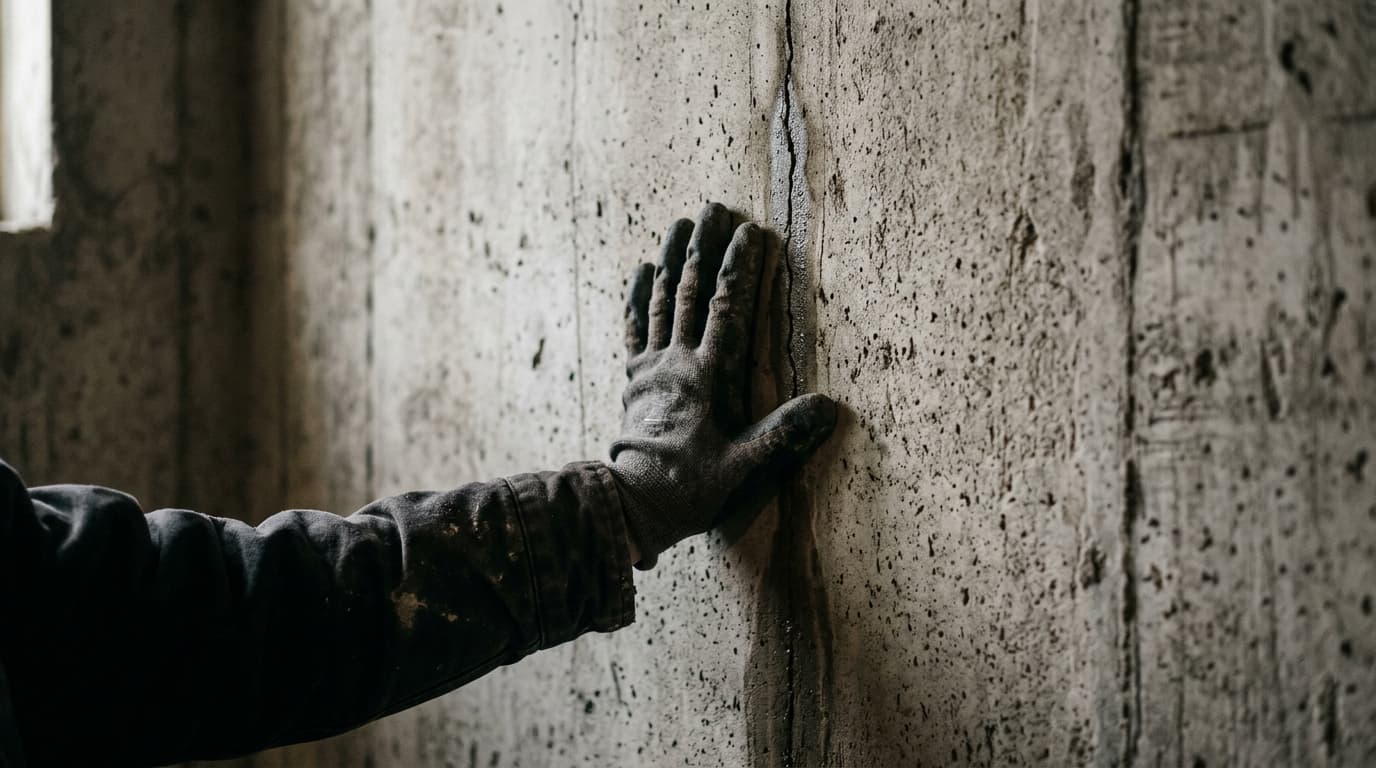
Sedgwick County sits on clay soils the USDA classifies as Hydrologic Group D, meaning the slowest drainage rate and the highest runoff potential in the federal classification system. When it rains in Wichita, the water does not soak into the ground quickly. It moves along the surface and pools against whatever is in its way. If that happens to be the foundation wall, the wall is under consistent moisture pressure until the soil finally dries out, which in a wet Kansas spring can take weeks.
No waterproofing system, interior or exterior, eliminates that pressure. What they do is manage the water that gets through or collect it before it can cause damage. Drainage work around the foundation, re-grading the lot, extending downspouts, adding French drains where needed, reduces the pressure itself by moving water away before it has a chance to saturate the soil against the wall. That is why contractors who understand Wichita's conditions almost always include a drainage assessment alongside a waterproofing recommendation. Two things to confirm with any waterproofing contractor before signing:
- Have they assessed the drainage conditions around the foundation, not just the wall itself
- Is drainage improvement included in the scope or is it being treated as a separate issue
FREQUENTLY ASKED QUESTIONS
Is interior waterproofing a permanent fix?
A well-installed interior drainage system with a quality sump pump can last 20 to 30 years with proper maintenance. The sump pump motor will need replacement every 7 to 10 years. The drain channel itself, if properly installed in the right aggregate, rarely needs attention. It is a long-term solution, not a temporary patch, as long as the system is maintained and the drainage conditions outside are not getting worse.
Can I waterproof my foundation myself?
Surface sealers applied to interior walls are available at hardware stores and can reduce minor seepage through porous concrete. They are not a substitute for a drainage system and will not hold up against active water intrusion under pressure. For any recurring moisture problem or visible water entry after rain, a professional assessment is worth doing before spending money on products that address symptoms rather than the water source.
Does waterproofing help with foundation cracks?
It depends on the crack. Waterproofing systems manage water intrusion through cracks, but they do not address the movement that caused the crack. A crack that is letting in water but is otherwise stable can be sealed as part of a waterproofing scope. A crack that is actively growing or showing displacement means the foundation is still moving, and that structural issue needs to be addressed alongside any waterproofing work.
How do I know if my Wichita home needs waterproofing?
If you are seeing water stains on basement walls, a musty smell that appears after rain, efflorescence on concrete or block walls, or any standing water in the basement or crawl space, the home has a moisture management problem worth addressing. Wichita's wet springs make this a common issue, and catching it before it reaches the framing or flooring keeps the job smaller.
Which waterproofing method adds more value to a home sale?
A documented interior system with a transferable warranty.
When to Consult a Professional in Wichita
If water is getting into your basement or crawl space after rain, do not wait for it to become a recurring problem every spring. University of Minnesota Extension research confirms that basement moisture problems develop from repeated exposure, not a single event. The moisture is already there. What changes is how much of the framing, flooring, and wall surface it has had time to affect.
Chief Cornerstone Foundation assesses both the waterproofing needs and the drainage conditions on every inspection, because in Wichita's clay soil those two things are almost always connected. Schedule a waterproofing inspection or call us at (316) 365-0032 and we will tell you which approach fits your home and why.
The Right Waterproofing Method Depends on Your Home. An Inspection Tells You Which One.
Interior and exterior waterproofing are both real solutions. One stops water before it reaches the wall. The other manages it after it gets through. Most Wichita homeowners end up with an interior system combined with drainage improvements, because that combination addresses both the water that is already coming in and the conditions that keep sending it. Exterior waterproofing is the right answer when the wall itself needs attention from the outside. Either way, the inspection is what determines which conversation you are actually in.